
Understanding the psychological dynamics of decision-making in casinos
The Role of Cognitive Biases
Cognitive biases significantly influence decision-making in casinos, often leading players to make irrational choices. For instance, the gambler’s fallacy is a prevalent bias where individuals believe that past outcomes affect future results. This misconception can drive players to continue betting, convinced that a win is overdue, despite the independence of each game outcome. If you’re looking to access your account easily, you can use the ozwin casino login that provides smooth navigation through your preferences.
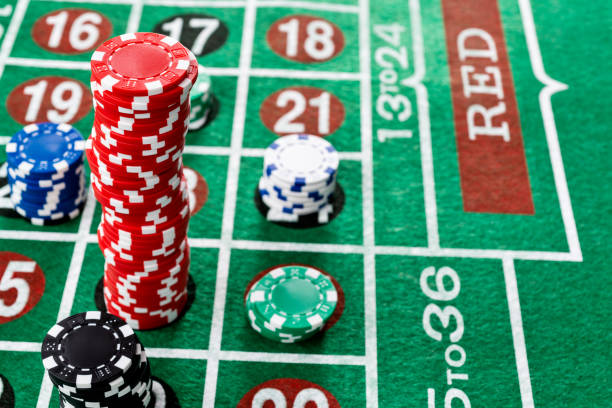
Another common cognitive bias is the illusion of control, where gamblers perceive they have more influence over random events than they actually do. This belief often manifests in behaviors such as selecting specific numbers or personalizing betting strategies, which can lead to increased risk-taking. Understanding these biases helps explain why players may engage in seemingly irrational gambling behavior.
The Impact of Emotions
Emotions play a crucial role in decision-making processes within casinos. The thrill of winning can lead to a rush of excitement, often prompting players to make impulsive decisions without considering the risks. Conversely, losses can evoke feelings of frustration or anxiety, compelling players to chase their losses in hopes of regaining their previous standing. This emotional rollercoaster can cloud judgment and lead to poor decisions.
Moreover, the environment of a casino is designed to amplify these emotions. The sounds of spinning slots, flashing lights, and celebratory cheers create a stimulating atmosphere that can heighten excitement and potentially impair rational thinking. Recognizing how emotions influence decision-making can help players approach gambling more strategically.
Social Influences and Group Dynamics
Social dynamics also play a significant role in how decisions are made in casino settings. When gambling in a group, individuals may feel a sense of social pressure to conform to group behaviors, which can lead to riskier bets and decisions. This phenomenon, often referred to as groupthink, can result in a collective mindset that overrides individual rationality.
Additionally, the camaraderie built among players can create a misleading sense of security, encouraging riskier behaviors that players might otherwise avoid when gambling alone. Understanding the effects of social dynamics can empower individuals to make more informed choices, regardless of external pressures.
The Role of Marketing and Game Design
Marketing strategies and game design elements in casinos are meticulously crafted to influence decision-making. Promotions, bonuses, and rewards are strategically placed to create a sense of urgency and excitement, nudging players toward making quick decisions. This manipulation often capitalizes on the psychological triggers that drive impulse behavior.
Furthermore, the layout of a casino is designed to maximize engagement and reduce the likelihood of self-reflection. By creating a sensory-rich environment that distracts players from time and money spent, casinos can induce longer play sessions. Recognizing these design elements can help players maintain awareness and control over their decision-making processes.

Join Ozwin Casino for a Strategic Experience
At Ozwin Casino, understanding the psychological dynamics of decision-making is key to enhancing your gaming experience. With a secure platform and a variety of engaging games, we aim to provide players with the tools to make informed choices while enjoying their time online.
Our commitment to exceptional customer support ensures that both new and seasoned players can navigate the gaming landscape with confidence. Join us at Ozwin Casino to explore thrilling gameplay while keeping your decision-making strategies sharp and informed.